

Picking a build partner can feel weirdly personal. One good call can make a roadmap calmer and a budget easier to defend. One bad call can turn every work cycle into a tense group chat. That is why browsing software development companies in Latin America often starts the same way dating apps do: lots of polished profiles and not enough proof of how things look on a normal Tuesday.
The early stage works better when it looks like real dating, not speed-shopping. A vendor is not a line item. It is a relationship with calendars, expectations, and small habits that either build trust or grind it down.
Why Vendor Picking Feels Like Dating
Dating is not only about charm. It is about patterns. A person can be funny on a first date and still be unreliable in everyday life. Vendors work the same way. A strong pitch deck can hide messy handoffs, thin documentation, and a team that changes every month.
Moreover, vendor selection rewards patience. Early shortcuts feel cheap, but the bill shows up later as rework, delays, and awkward talks about scope. Therefore, the goal is not to find the flashiest option. The goal is to find the partner that behaves well when plans change.
Time zones make the metaphor even more useful. Many teams pick nearshore partners for overlap and easier collaboration, and a short read on remote hiring explains why “availability” and “response time” matter as much as code.
Red Flags That Usually Mean Trouble Later
A red flag is not always a deal-breaker. It is a signal that needs a follow-up question. Still, some signals show up again and again, especially when comparing software development companies that look similar on paper.
Watch for instant agreement
If every idea gets a smile and a “yes,” the team may be avoiding hard questions. Strong partners push back with reasons and trade-offs, and they ask what matters most: speed, stability, cost, or flexibility.
Be cautious with quotes that appear in minutes
If a vendor can estimate a complex product right after a short call, the estimate is probably guesswork. Real planning needs time, plus a simple note of what was assumed and what was left out.
Notice how staffing is described
“Senior team” sounds nice, but it is not a plan. Ask who will do the work, how long they will stay, and what happens if someone leaves. Vague answers often point to a rotating bench and weak accountability.
Pay attention to ownership and access
If the vendor hesitates to share code repositories, tickets, or docs, that is a bad sign. A healthy relationship leaves the client with visibility and the right to walk away without losing everything.
Listen for process fog
If a vendor will not explain how work is tracked, how changes are reviewed, or how releases get approved, that is not mystery. It is missing discipline.
Green Flags That Signal a Healthy Match
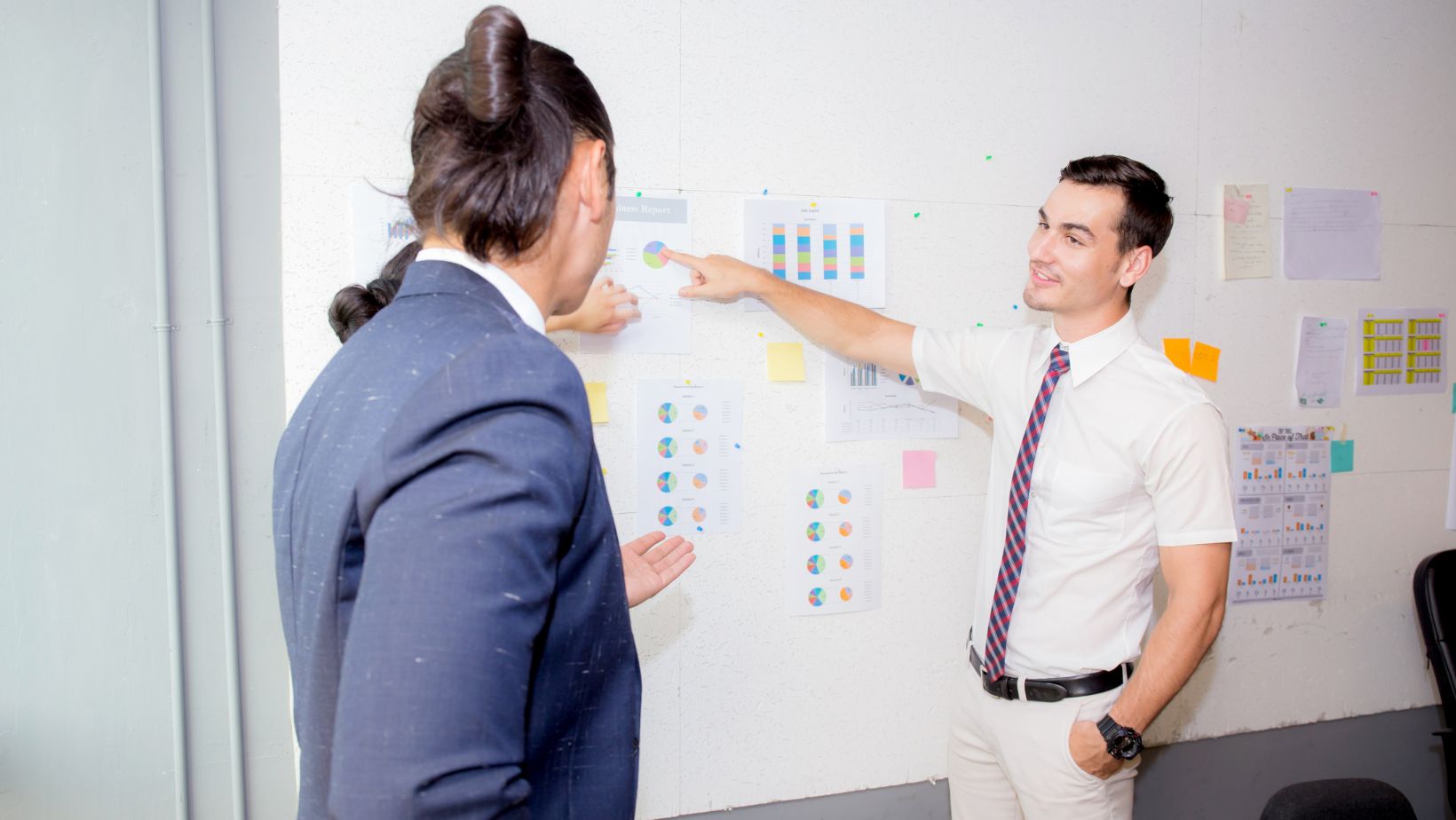
Green flags are less about promises and more about behavior. Good partners talk in specifics, show examples, and admit limits without drama.
Transparency
Strong teams can show a sample plan, a simple to-do list view, and a typical release rhythm. They can also name the messy parts: dependencies, unknowns, and places where the client needs to make a call. That honesty beats romance.
Respectful pushback
A vendor that says “no” at the right moments is protecting the project. That is why advice like dedicated teams often focuses on behavior during discussions, not on tools.
Simple plan for quality
This does not need fancy words. It can be as simple as “another person reads changes before they go live” and “important parts get automated checks.” When a team talks openly about avoiding technical debt, it often signals pride in maintainable work, not only fast delivery.
Continuity
The best matches feel steady. The same faces show up, notes are shared, and decisions do not vanish into someone’s inbox. Moreover, the partner should be comfortable working in shared spaces: shared code repositories, shared boards, and shared docs.
When evaluating software development services, watch how the vendor handles discovery. A good partner does not rush into building. They spend time clarifying goals, edge cases, and what “done” means. Thus, the build phase becomes less dramatic because surprises were handled earlier.
How to “Date” a Vendor Without Wasting Months
Instead of jumping into a year-long contract, start with a small pilot that still looks like real work. A proof of concept that never ships teaches almost nothing. A better pilot delivers something meaningful, even if it is modest, like one workflow, one report, or one integration.
During that pilot, track what actually happens:
- Are messages answered in a reasonable time?
- Are questions clear?
- Are risks raised early?
- Are estimates updated when new facts appear?
Contracts matter too: pricing should be readable, ownership should be clear, and exit terms should not feel like a trap. N-iX is one example of a provider that publishes guidance on nearshore delivery, and that kind of openness is a useful benchmark when comparing vendors.
Final Thoughts
Treat vendor selection like dating because both are about patterns, not promises. Look for red flags like instant agreement, rushed estimates, vague staffing, and process fog. Favor green flags like calm transparency, respectful pushback, and clear quality habits. Therefore, start small with a pilot that produces a real deliverable, then judge the boring stuff, like response time, clarity, and follow-through. If the contract makes leaving feel impossible, that’s not commitment; that’s a trap.