
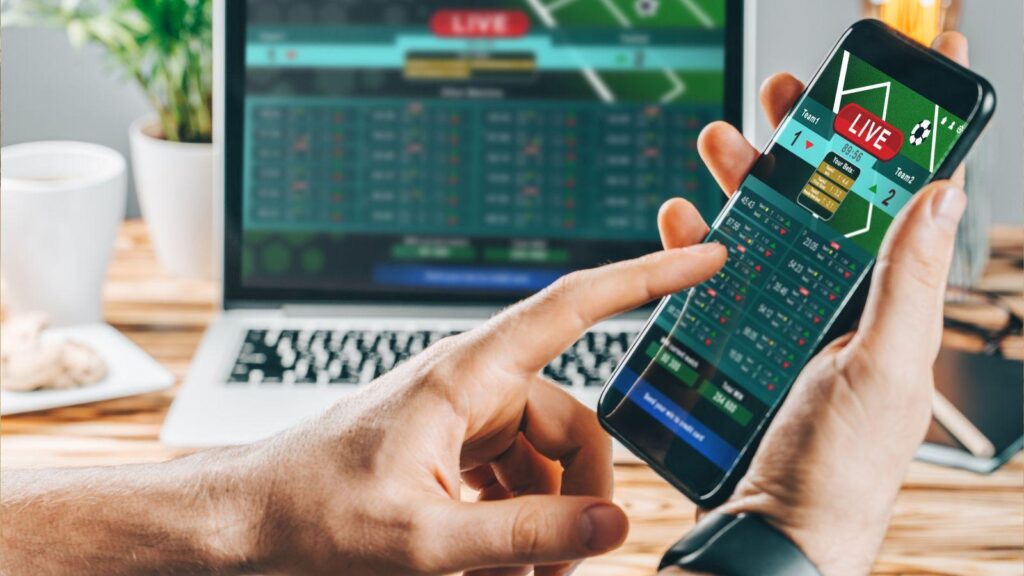
The biggest shift in 2026 is not happening on the field. It is happening in the data center. For a high performance environment like the Betway ecosystem, the next frontier is the digital twin. This is not just a buzzword. It is a technical reality where every user has a profile that learns habits, predicts behavior, and adjusts the interface in real time. We are moving away from the one size fits all sportsbook app. The newer model reacts to how a person actually uses it: the markets they open, the pace they move at, the type of wagers they build, and the moments when they usually act.
The End of Traditional Onboarding
The first time you log in to a modern platform, the system is already working. Instead of filling out endless forms, onboarding is being shortened through biometric checks and faster identity verification. When you hit the betway bw landing page, the system can use selfie verification, account checks, and available registry data to confirm who you are quickly. That removes the friction that used to kill the start of a session. No long wait. No clumsy upload loop. Just a cleaner handshake between the device and the platform. For betting apps, that matters because timing is part of the product. If a user is trying to get in before kickoff or during a live market, a slow verification path can break the whole experience before it begins.
Behavioral Biometrics as the New Security Standard
Security has moved beyond the password. Behavioral biometrics are now becoming part of account protection. This technology can monitor things such as touch pressure, tap rhythm, swipe speed, and the way someone moves through the interface. That may sound small, but it gives the platform a useful signal. If someone else tries to access the account, they may not move through the app in the same way. The system can flag that change and ask for extra checks. For users, the benefit is simple. The account is not protected only by a password that can be guessed, reused, or leaked. It is also protected by patterns that are harder to copy.
Generative AI and the Custom Odds Feed
The way users search for markets is also changing. Instead of digging through league menus, team pages, and long lists of props, newer tools can respond to voice or text prompts. A user can ask for a specific mix of player stats, match outcomes, goals, corners, cards, or live angles across different games, and the system can build the logic quickly. That turns the old odds board into something more flexible. The platform starts to feel less like a static menu and more like a personal analyst. It helps surface markets that might otherwise stay hidden several layers down.
Real Time Harm Detection
The same systems that learn user habits can also be used for protection. Real time harm detection is becoming one of the more important parts of modern betting technology. These models can notice sudden changes in behavior: faster bet frequency, unusual deposits, larger stakes, late-night chasing, or a sharp shift from normal patterns. If the risk looks high, the platform can trigger safer gambling reminders, cooling off periods, limit prompts, or direct interventions. That is a major change. The app is not only reacting after a problem has already happened. It can notice warning signs earlier and slow things down before the session becomes unsafe.
Performance and Protection Now Sit Together
The next stage of betting technology is not only about faster odds, cleaner graphics, or smoother payments. It is also about understanding the person behind the screen. The strongest platforms will be the ones that can balance speed with restraint. They need to get users into the right markets quickly, protect the account quietly, and step in when the data suggests the session is moving in the wrong direction. That is the more mature version of the betting app. Not just faster. Smarter, safer, and more aware of how people actually use it.