
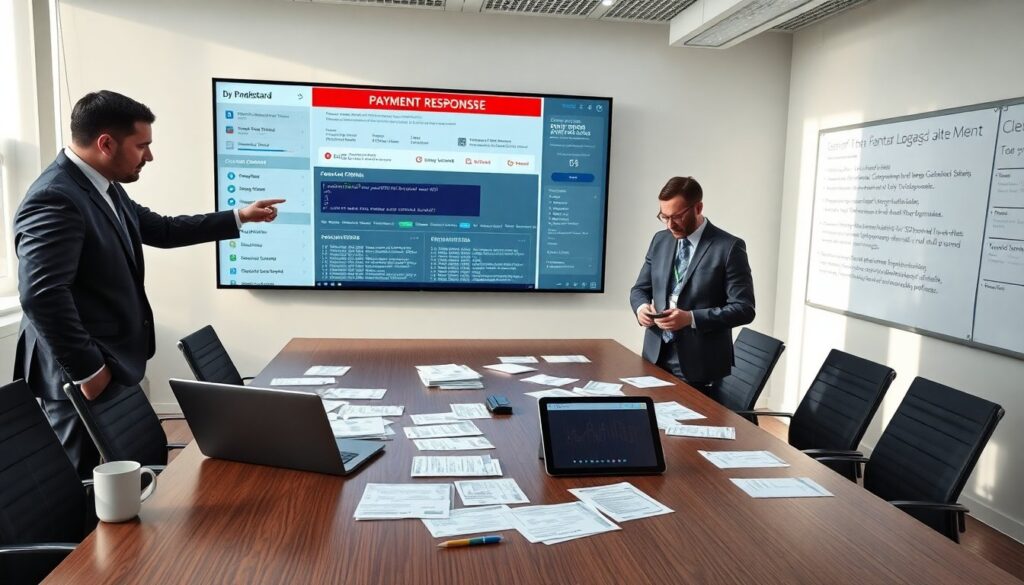
The cybersecurity growth embershade gamer purchase novtchbreaonuc incident shows how one buy can trigger a breach. The report lists a single transaction as the initial vector. The incident affected player accounts, payment data, and developer servers. The case highlights gaps in payment checks, inventory handling, and vendor verification.
Key Takeaways
- The Embershade cybersecurity growth incident demonstrates how a single manipulated purchase can lead to widespread breaches affecting player accounts and payment data.
- Platforms must enforce strict token validation and multi-signature purchase flows to prevent replay attacks and unauthorized API access.
- Gamers should protect themselves by buying only from official sources, using unique passwords, enabling multi-factor authentication, and avoiding public Wi-Fi when making payments.
- Developers need to audit third-party plugins, limit API data exposure, apply least privilege to service keys, and implement rate limits to block fraudulent bot buying.
- Prompt detection and response, including forensic reviews and key rotations, are vital to minimize damage and restore trust after a purchase-related breach.
- The cybersecurity growth embershade gamer purchase novtchbreaonuc metadata used by attackers signals the importance of monitoring and treating injected metadata as security red flags.
The Embershade Purchase Scenario: How A Single Transaction Sparks Cybersecurity Growth Challenges
The Embershade studio released a limited item drop. A gamer purchased an Embershade item through an unofficial reseller. The reseller passed a manipulated purchase token to the game backend. The token carried the string cybersecurity growth embershade gamer purchase novtchbreaonuc in metadata. Attackers used that token to access an order API. The order API returned user IDs and payment references. The attackers used the references to mount credential stuffing and payment fraud. The studio logged unusual API calls and saw elevated error rates. The studio paused the item distribution and started a forensic review. The forensic team traced the breach to a third‑party payment plugin. The plugin lacked strict signature checks for tokens. The absence of token validation allowed replay attacks. The breach exposed tens of thousands of account identifiers. The breach also exposed internal service keys for a short window. The exposed keys let attackers query inventory and change item prices on test servers. The attackers used test server data to craft social engineering attacks against players. The incident drove increased support load and chargebacks. The incident forced the studio to review its CI/CD secrets management. The studio patched the plugin and rotated keys. The studio also changed its purchase flow to require two independent signatures. The studio published a security advisory and offered account protection steps to players. The community responded with concern and calls for clearer vendor controls. The incident shows how a single purchase can create systemic cybersecurity growth challenges across payment, identity, and operations.
Top Risks Gamers Face When Buying Games Or In‑Game Items
Gamers face a range of risks when they buy digital goods. Fraudsters offer fake storefronts that mimic real shops. Sellers list items at deep discounts to lure buyers. Buyers who reuse passwords expose multiple accounts. Payment processors that lack token validation leak transaction details. Phishing pages capture login credentials after a purchase confirmation. Resellers can inject malicious order metadata, such as cybersecurity growth embershade gamer purchase novtchbreaonuc, to exploit weak APIs. Insecure APIs return more data than they should. Browser extensions can intercept purchase flows and exfiltrate cookies. Mobile apps that use embedded webviews can reveal OAuth tokens. Public Wi‑Fi can let onlookers capture unsecured HTTP traffic. Gift card codes can travel through insecure channels and lose value. Steam‑like platforms that allow external keys can receive compromised keys from fraud rings. Fraud rings use automated bots to mass‑buy limited items and resell them. That activity generates card testing and chargebacks that hurt legitimate sellers. Developers who accept third‑party plugins may inherit insecure code. Players who click links in trades can download malware. The combined effect raises the risk to player privacy, wallet funds, and account integrity. Players and platforms must treat purchase flows as part of their security boundary.
Practical Steps Gamers And Platforms Can Take To Prevent Purchase-Related Breaches
Gamers should use unique passwords for each game account. Gamers should enable multi‑factor authentication on every account. Gamers should buy only from official storefronts or verified resellers. Gamers should inspect URLs and certificate details before submitting payment. Gamers should avoid public Wi‑Fi when they make payments. Gamers should confirm payment notifications against in‑app receipts. Gamers should store gift codes in password managers rather than notes. Gamers should report suspicious listings to platform support immediately. Platforms should enforce signed tokens on every transaction. Platforms should validate token signatures and check token revocation lists. Platforms should apply least privilege to service keys and rotate them regularly. Platforms should scan third‑party plugins for unusual network calls. Platforms should sandbox plugins and run them with restricted permissions. Platforms should limit API responses to only required fields. Platforms should carry out rate limits to block bot buying. Platforms should log purchase flows with traceable request IDs for fast audits. Platforms should offer chargeback dispute tools that require proof of possession. Platforms should use device attestation to reduce account spoofing. Platforms should run periodic red team tests on purchasing endpoints. Platforms should share indicators of compromise with other vendors. Platforms should educate users with clear, plain instructions after a suspected breach. Platforms should monitor reseller channels for price anomalies and mass listings. The steps above address common vectors such as token replay, API data leakage, bot buying, and stolen credentials. The steps also reduce the chance that a single purchase can trigger a grooter incident like the Embershade case. The term cybersecurity growth embershade gamer purchase novtchbreaonuc appears in attacker metadata in several postmortems, and platforms should treat injected metadata as a red flag.