
Food Tech Innovations: Transforming Our Culinary Experience
Imagine biting into a perfectly juicy burger that’s not only delicious but also made in a way that’s kinder to our planet. Food tech innovations are whipping up a culinary storm, and we couldn’t be more excited. Welcome to the future of eating, where technology meets taste, sustainability, and convenience. It’s time to feast on the possibilities, so let’s dig in and explore how food tech is transforming our culinary experience, one pixel at a time.
The Rise of Food Tech
Food tech has surged in recent years, reshaping not just how we cook but also how we think about food. Gone are the days when cooking and technology were worlds apart. We now stand on the brink of a revolution where our favorite meals are influenced by innovation in ways we never imagined.
From lab-grown meats to apps that help us track our nutritional intake, the rise of food tech reflects broader changes in consumer behavior. We increasingly demand transparency and healthiness, coupled with convenience. As a result, the food industry has no choice but to adapt quickly to satisfy our evolving tastes and concerns.
Key Innovations in Food Technology
Sustainable Food Tech Solutions
Innovation and sustainability go hand in hand in food tech. We see companies developing plant-based alternatives that not only taste great but also reduce our carbon footprint. Brands like Beyond Meat and Impossible Foods are leading the charge by creating meat substitutes that are just as satisfying. This isn’t just about pretend meat: it’s about redefining what we think of as delicious.
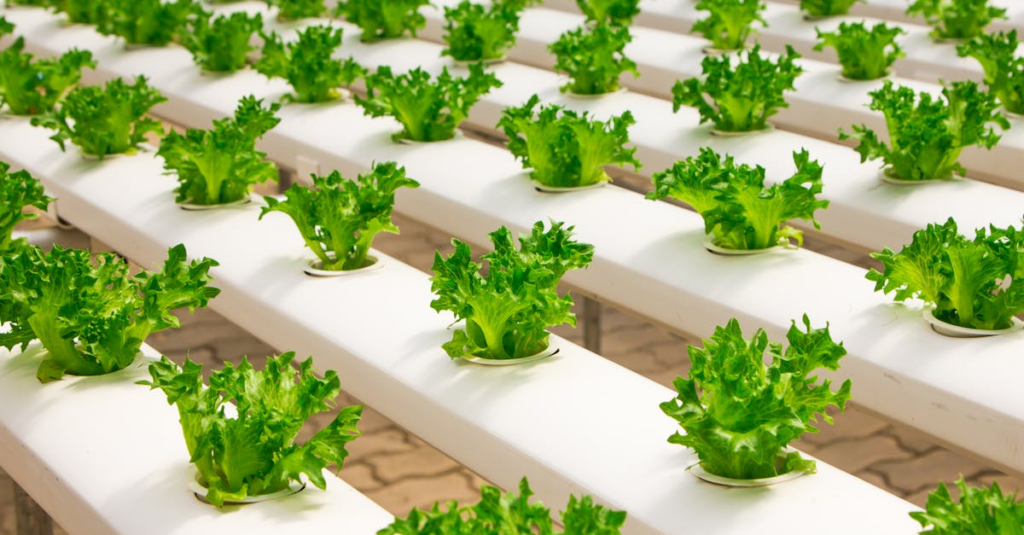
Also, food tech is tapping into the world of vertical farming. Imagine fresh produce grown in urban settings with minimal water. Hydroponics and aquaponics are becoming common-place. Thanks to these processes, we can enjoy fresh veggies while conserving resources.
Automation in Food Production
On the production side, automation is transforming how our food is made. Robotics and AI enhance efficiency on factory floors, leading to faster production times. We also have innovations like 3D food printers that create meals layer by layer, ensuring delicious and intricately designed dishes. This shift toward automation not only lowers costs but also makes it possible to personalize food at scale, elevating our dining experience.
The Role of AI and Machine Learning
Consumer Trends in Food Tech
As food tech evolves, AI and machine learning are playing critical roles. These technologies analyze consumer data to identify trends. We’ve seen personalized recommendations in meal prep apps, suggesting recipes based on our dietary preferences.
Also, meal kits powered by AI learn from what we cook and love. Imagine having a personal chef in a box, delivering tailored recipes right to our doorsteps, eliminating guesswork and encouraging culinary adventure.
Health and Nutrition Innovations
Health is at the forefront of many food tech innovations. Nutritional data is being integrated into our food systems through apps that track everything we consume. These apps help us to meet our health goals by providing insights based on our eating habits. We can adjust our routines, making each meal count toward optimal health.
Challenges and Future Outlook
Even though the remarkable advancements, challenges remain. We grapple with regulatory hurdles as innovations like lab-grown meat enter the market. Different countries have varying regulations, which can hinder progress. Balancing safety standards with innovation is critical.
Also, how do we ensure that these technologies are accessible and affordable for everyone? The last thing we want is for our culinary-enhancing tech to be exclusive to a select few. Only with inclusive strategies can we truly revolutionize food for all.