
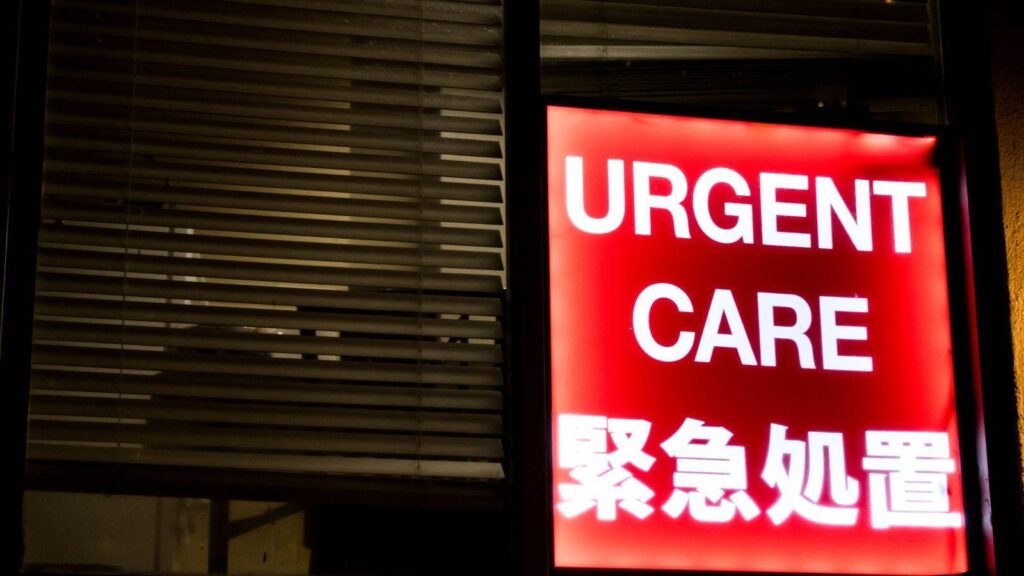
Urgent care has grown faster than almost any other ambulatory segment over the last decade, and the operating model is structurally different from a scheduled primary care practice. Patients arrive unscheduled, acuity varies widely across a shift, and the financial model depends on maintaining high throughput without sacrificing clinical quality. The EMR sits at the centre of that operating challenge, and the difference between a purpose built urgent care platform and a generic system shows up clearly in throughput and staff retention metrics.
Key points
- Urgent care workflows differ from primary care in three ways: unscheduled arrivals, broad acuity range, and the need for fast discharge documentation.
- Purpose built urgent care EMRs compress documentation time per encounter, which directly improves throughput and clinician satisfaction.
- Integration with point of care testing, imaging, and pharmacy systems is essential for real world urgent care speed, not a premium add on.
The throughput equation
An urgent care centre earns through volume. The path from patient arrival to discharge has to be short enough to keep wait times acceptable and fast enough to keep revenue per clinical hour strong. Documentation is the single biggest variable in that equation after triage, and an EMR that requires extensive template navigation for common presentations extends every encounter by several minutes. At scale, those minutes add up to meaningful throughput loss.
What purpose built software does differently
An EMR for urgent care centers optimises around the fifty or sixty most common urgent care presentations, with templates, order sets, and discharge instructions that land in the right place on the first click. The result is a shorter documentation cycle per encounter, which frees clinical time and reduces the cognitive load on clinicians across a shift.
Integration that actually works
Urgent care speed depends on several systems working in concert. Point of care testing has to feed results back into the chart automatically. Imaging needs to be orderable, trackable, and viewable in the chart without a separate login. Pharmacy integration has to surface formulary options and e-prescribing in line with the discharge workflow. Systems that treat these as afterthoughts create friction that compounds across a shift, while systems designed around these integrations from the start make them invisible to the clinician.
Conclusion
Urgent care is an unforgiving operating model where software choice directly shapes throughput, revenue, and staff retention. Practices that invest in purpose built EMRs routinely outperform those on generic systems on every operational metric, and the investment typically pays back within the first year through higher encounter volume and lower clinical team attrition.